
coParenter
Hyphenus, Inc.Parenting
3.1117.00 Reviews
- Version
- 6.5.0
- Installs
- 50.00K
- Age Rating
- Everyone
Screenshots
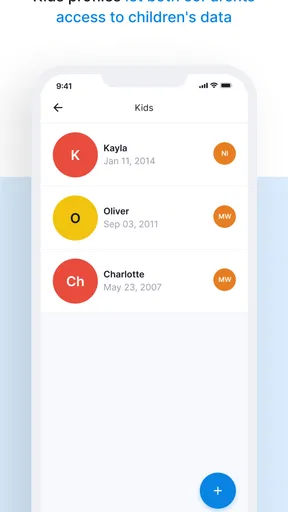
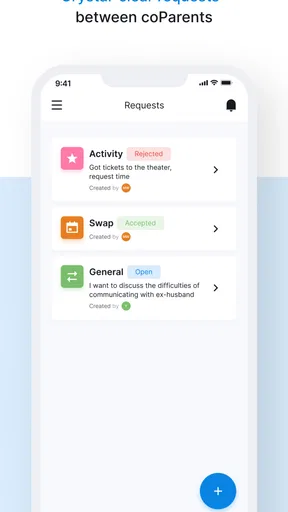
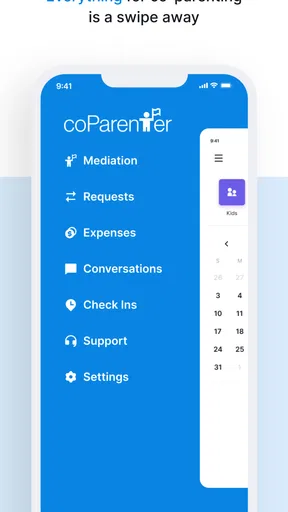
Our Review of coParenter
 Analysis by Appyee
When parenting is split between two homes, the hard part is often not one dramatic disagreement but dozens of small decisions: who is collecting the children, what was agreed about a school event, and how to handle a shared cost. coParenter is built for that kind of day-to-day coordination. I see its strongest use as giving those conversations and arrangements a more deliberate place than a stream of texts, provided both parents are willing to use the same system.
Start with the routine you need to organize
Before moving everything into an app, I would identify the recurring points that cause confusion. That might be handover times, changes to the usual schedule, expense discussions, or keeping a record of a difficult exchange. Starting with one practical need makes the app easier to judge than trying to turn it into a complete solution for every parenting disagreement at once.
This is a parenting app from Hyphenus, Inc., and its focus is co-parenting rather than general family calendars or child-development advice. The emphasis is on communication, schedules, mediation, and custody arrangements. That narrower purpose matters: it can help organize information related to parenting between households, but it cannot make a reluctant co-parent cooperate or settle a legal dispute by itself.
Move from a question to a clear plan
A useful workflow begins with a specific question, such as whether a child can be picked up earlier on a particular day. Instead of scattering the request across separate messages, I would keep the discussion connected to the relevant schedule or arrangement, then make sure the final understanding is clear to both parents. The benefit is less about having more features and more about reducing the chance that an informal exchange gets lost among unrelated conversations.
For everyday use, clarity depends on how carefully each parent enters and checks information. If plans change, both people should confirm what the new arrangement means in practical terms: who is taking the child, when the handover happens, and whether the change affects the next transition. A shared tool is only useful when the record reflects the agreement rather than one person’s assumption.
Handoffs need more than a calendar entry
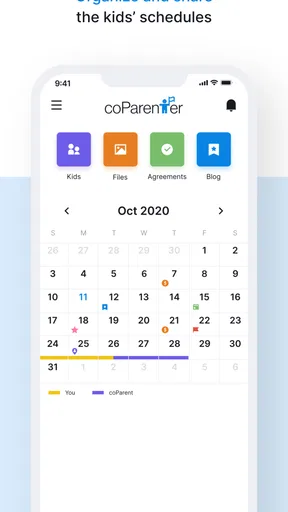
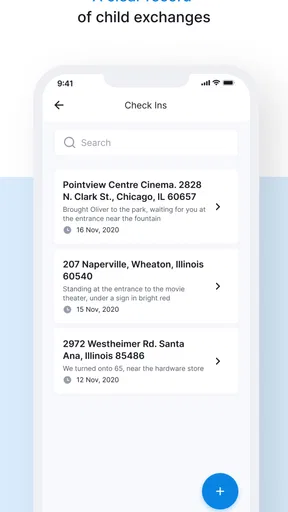
Scheduling is most valuable at the points where responsibility passes from one parent to the other. A calendar entry can show the intended plan, but a real handoff may also involve a late arrival, a forgotten item, or a last-minute change. I would use the schedule as the reference point, then communicate any exception plainly rather than expecting the other parent to infer it from an update.
That approach also helps keep child-related logistics separate from broader relationship tension. A brief, practical message about a pickup is easier to act on than a long thread that mixes transport, old arguments, and a new expense. The trade-off is that the app cannot supply calm or agreement on its own; it can provide a more organized place to communicate, but the parents still have to keep exchanges focused.
Keep shared costs tied to their context
Expenses can become contentious when the amount, purpose, or expectation of reimbursement is unclear. The app’s expense tools are intended to help parents log costs, share receipts, and request repayment. In practice, I would record the reason for a cost while it is fresh and make sure the receipt is legible before treating the request as complete. A note that explains what the expense was for is more useful later than a bare amount.
There is a useful distinction between documenting a cost and agreeing that it should be shared. A record can make a discussion easier to follow, but it does not automatically resolve whether an item was necessary or whether the parenting agreement covers it. For recurring activities, parents may want to settle expectations in advance so that the app’s record supports an existing understanding instead of becoming the first place the disagreement appears.
Use private notes thoughtfully
The original article describes a SoloMode for privately documenting incidents. That can be useful when I want to write down what happened while details are still fresh, rather than relying on memory weeks later. I would keep notes factual and specific: what occurred, when it happened, and what practical effect it had on the child or schedule. The value of a private record comes from accuracy, not from using it to build a case through interpretation.
Private documentation is not a replacement for professional legal advice, and I would not assume that an entry has any particular legal status simply because it is saved in an app. If a situation involves safety concerns or an urgent need for help, the right response is to contact appropriate local services or a qualified professional, not to rely on a co-parenting tool as an emergency channel.
What is coParenter?
Imagine having a tool that helps you manage your co-parenting journey with less stress and more cooperation. That's exactly what coParenter aims to do. It's a platform designed to help separated or divorced parents communicate and coordinate everything related to their kids. From scheduling to expense tracking, this app covers a lot of ground.
Features that Stand Out
One of the first things you'll notice about coParenter is its sleek, user-friendly interface. It's intuitive, which means you won't be spending hours trying to figure out how to use it. But let's break down some of the key features that really make this app shine.
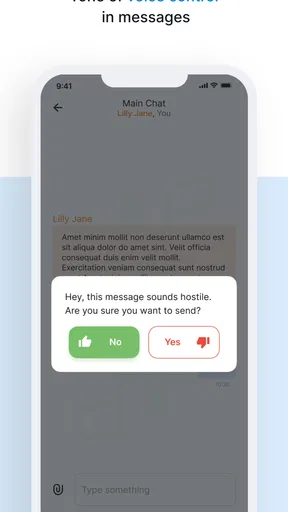
- Secure Messaging: Communication is crucial in co-parenting, and coParenter provides a safe space for it. The app offers secure messaging, ensuring that all your conversations remain private and focused on the kids.
- Scheduling: Forget about the back-and-forth texts trying to arrange pick-ups and drop-offs. The app's scheduling feature allows you to set up and agree on schedules seamlessly.
- Expense Tracking: Money matters can be tricky, but coParenter simplifies this with its expense tracking feature. You can log expenses, share receipts, and request reimbursements effortlessly.
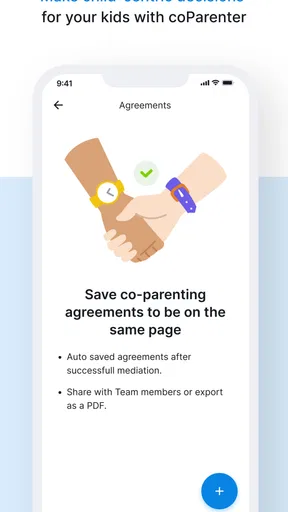
- Parenting Agreements: Need to set some ground rules? The app helps you create and store parenting agreements, ensuring both parties are on the same page.
Real-world Application
So, how does coParenter hold up in real life? From my experience, it's a game-changer. I tried it out for a couple of weeks, and the difference it made was noticeable. The communication with my co-parent became more structured and less stressful. No more misunderstandings about who was picking up the kids or who owed what for extracurricular activities.
The app also includes a feature called "SoloMode," where you can document incidents privately. This is particularly useful for keeping records in case you ever need to refer back to a specific event or conversation.
Why It Might Be Worth It
While there are plenty of co-parenting apps out there, coParenter brings a unique combination of features that cater specifically to the challenges of co-parenting. The app's ability to streamline communication and keep everything organized in one place is a huge plus. It's like having a personal assistant dedicated to your co-parenting needs.
Plus, the peace of mind that comes with knowing your conversations and agreements are securely stored is invaluable. If you're someone who values organization and clarity, coParenter might be the perfect fit for you.
Choosing it over familiar alternatives
Compared with a shared phone calendar and ordinary text messages, a dedicated co-parenting app can make it easier to keep scheduling, communication, and expense records in a parenting-focused space. That separation is especially helpful when a text thread is already crowded with unrelated family or work conversations. On the other hand, if both parents already coordinate reliably with a calendar and have no trouble finding old decisions, adopting another app may add more steps than value.
Compared with a spreadsheet or a notes app, coParenter is aimed at joint coordination rather than one parent’s private filing system. That can be a meaningful difference when both households need to refer to the same plan. But the system works best when both parents participate consistently. If one person refuses to use it, you may still need another agreed channel for urgent changes, and you should not assume the app will replace every existing communication method.
Who is likely to benefit—and who may not
I would consider it for parents who have recurring handoffs, shared costs, or schedule changes and want those details kept more orderly. It may also suit people who find it helpful to separate child-related exchanges from personal conversations. A parent who is trying to establish a steadier routine after separation may get more value by starting with a simple schedule and a few practical agreements than by trying to record every interaction.
I would be more cautious if communication itself is unsafe, if a parent is being pressured to share information, or if a legal or safety issue needs professional handling. An app can organize routine cooperation; it is not a substitute for a lawyer, mediator, counselor, or emergency support. It may also be a poor fit for parents whose arrangements are already straightforward and who do not want another account or communication habit to maintain.
A realistic week-to-week routine
Imagine a child has an after-school activity on a day when the usual pickup arrangement is changing. One parent can raise the change in the shared communication space, and both can clarify the pickup and handoff rather than relying on a quick text that might be buried. If the activity involves a shared cost, the receipt and reimbursement request can be handled separately from the scheduling conversation, keeping each issue easier to follow.
If the child later reports that an item was left at the other home, the parents can address the practical next step without reopening the whole schedule discussion. A brief private note may help one parent remember a recurring handoff problem, while the shared exchange stays focused on solving the immediate issue. The useful habit here is to separate the record of what happened from the conversation about what to do next.
Practical friction to expect
The app’s rating is 3.1 on average from around 200 ratings, so I would approach it with realistic expectations rather than assuming every household will find it effortless. That does not tell me exactly how it will behave on a particular phone or for a particular family, but it is a reason to test whether the workflow suits both parents before depending on it for every important exchange.
It is free to download, with in-app purchases ranging from about $2.49 to $200 per item. I would check the current purchase details in the app before committing to a paid option and decide together whether the features you actually need justify the cost. The app is rated for everyone, has been available since November 2017, and its current version is 6.4.6, with Android 6.0 as the minimum operating system. It has passed 50,000 installs, but broad adoption does not guarantee that it will fit your family’s routine.
One practical test is to agree on a short trial period and choose a narrow purpose, such as keeping handoff changes in one place. At the end, ask whether both parents can find the current plan quickly and whether fewer details are being repeated. If the app adds confusion, duplicated calendars, or arguments about how to use it, it is reasonable to return to a simpler shared method rather than treating adoption as a goal in itself.
Final Thoughts
To wrap it up, coParenter is a solid choice for anyone looking to improve their co-parenting experience. It's packed with features designed to facilitate better communication and collaboration between parents. Whether you're just starting your co-parenting journey or you're a seasoned pro, this app has something to offer.
So, if you're ready to make co-parenting a little easier, give coParenter a try. It might just be the tool you need to turn a challenging situation into a cooperative and positive experience for everyone involved.
Ready to dive in? Check out the app on your favorite app store and start exploring how it can benefit your co-parenting journey. Happy co-parenting!
Verdict
Strengths of coParenter
- Facilitates effective co-parent communication.
- User-friendly interface for quick navigation.
- Comprehensive scheduling tools included.
- Built-in resources for conflict resolution.
- Secure messaging ensures privacy.
Limitations of coParenter
- Subscription required for full features.
- Limited offline access to tools.
- Notifications can be overwhelming.
- Some features need Wi-Fi connection.
- Doesn't support multiple languages.
Similar Picks in This Category
View All
Family Space
Motorola Mobility LLC.3.9

شرطة الأطفال - مكالمة وهمية
Oub Apps4.1

Findmykids: Parental Control
LETEM LTD4.6

Pregnancy + | Tracker App
Philips Electronics UK Limited4.8

Policía de niños - para padres
Kids police4.7

Pregnancy App
Amila4.9
Frequently Asked Questions
What is coParenter and how does it work?
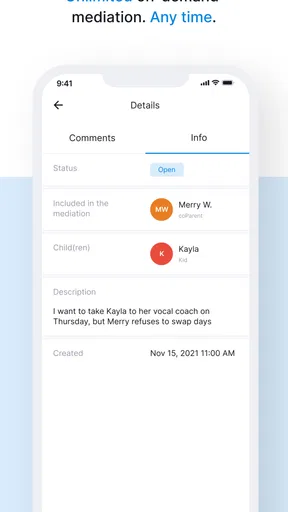
coParenter is an app designed to assist separated or divorced parents in managing their co-parenting responsibilities. The app offers features like scheduling, messaging, and decision-making tools to help parents communicate effectively. It also provides resources like coaching and mediation to resolve disputes amicably.
Is coParenter suitable for all types of co-parenting situations?
Yes, coParenter is designed to accommodate various co-parenting scenarios, whether amicable or contentious. The app's features cater to different needs, from basic scheduling to complex dispute resolution, making it versatile for a wide range of parenting dynamics.
Does coParenter offer any privacy and security measures?
Absolutely. coParenter prioritizes user privacy and security by implementing encryption for all data exchanges. The app ensures that personal information and communications are kept confidential, giving users peace of mind while managing their co-parenting duties.
Are there any fees associated with using coParenter?
coParenter operates on a subscription model, offering various plans to suit different needs. While some features are free, others require a subscription. It's advisable to check the app’s pricing details to understand what’s included in each plan before committing.
Can coParenter help in legal matters related to co-parenting?
While coParenter is not a legal service, it provides tools and resources that can assist in legal-related matters. The app offers coaching and mediation services which can help resolve conflicts and facilitate collaboration, potentially reducing the need for legal intervention.
